
The Ocean Brief
Ocean stories and insights covering science, policy, innovation, and the ocean community
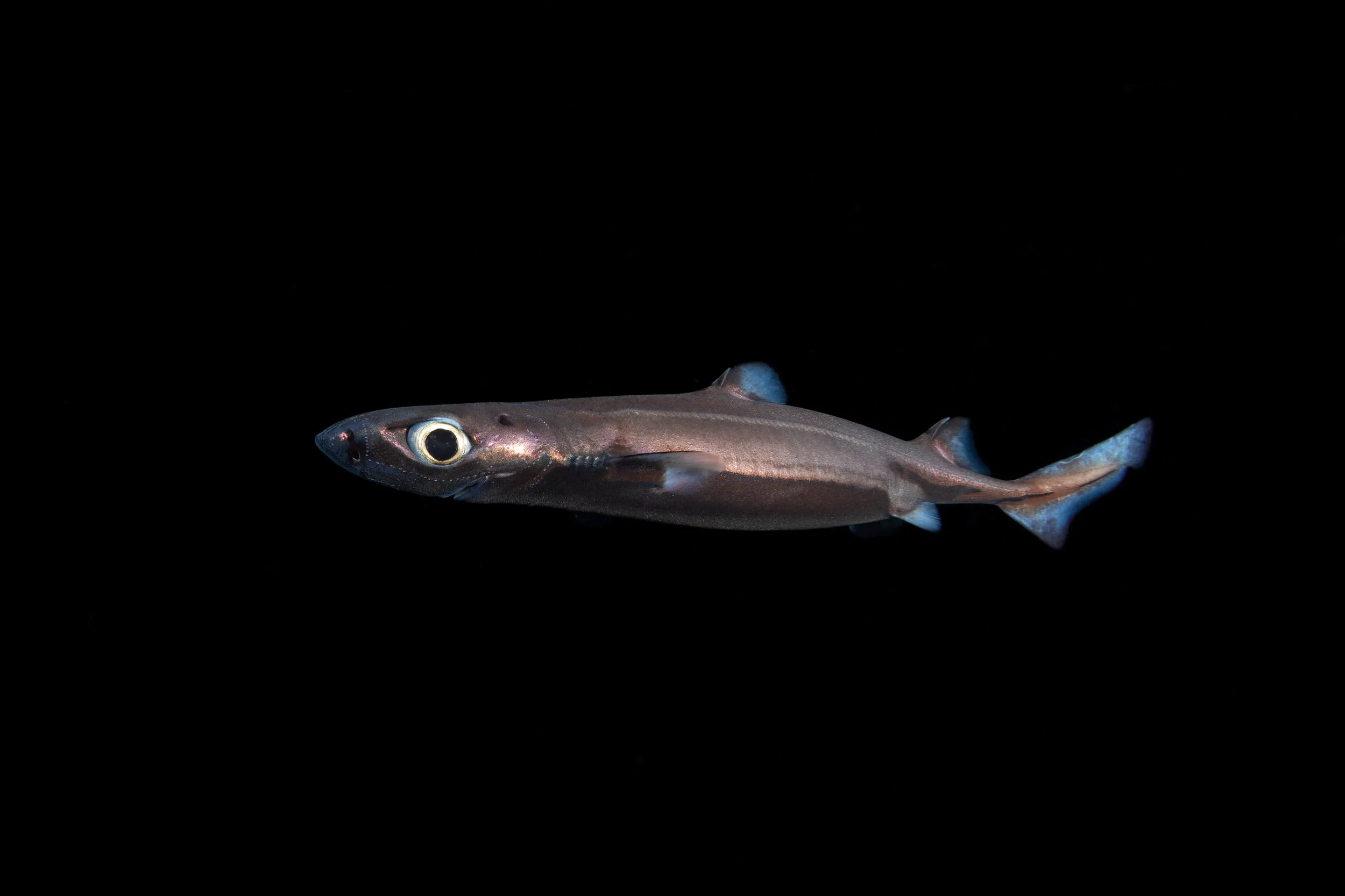
Deepwater sharks threatened by overfishing
One in seven species of deepwater sharks and rays are threatened with extinction due to overfishing.
Celebrating World Seagrass Day
It’s World Seagrass Day so what better time to discover these amazing marine powerhouses
Tiny crustaceans discovered preying on live jellyfish during harsh Arctic night
Scientists used DNA metabarcoding to show for the first time that jellyfish are an important food for amphipods during the Arctic polar night in waters off Svalbard, at a time of year when other food resources are scarce. Amphipods were not only observed to feast on ‘jelly-falls’ of dead jellyfish, but also to prey on live jellyfish. These results corroborate an ongoing ‘paradigm shift’ which recognizes that jellyfish aren’t a trophic dead-end but an important food for many marine organisms.
Galápagos penguin is exposed to and may accumulate microplastics at high rate within its food web, modelling suggests
And excretion rate may determine whether or not these microplastics also bioaccumulate across trophic levels
How deep sea knowledge can support climate policies
Young Researchers from La Laguna to join Ocean Census expedition in Tenerife, providing data and knowledge that could support climate policies.
Bacteria linked to mass death of sea sponges weakened by warming Mediterranean
In 2021, divers off the Turkish Aegean coast first observed dark stinging sponges dying in great numbers. Researchers have now sampled three species of pathogenic Vibrio bacteria, previously known to infect unrelated marine animals, from diseased and dying sponges. Evidence suggests that vibriosis may be a secondary illness that affects already weakened sponges, but is not necessarily the primary agent of the novel disease.
Plastic additives messing with amphipod sex life
Plastic waste in the water might be stopping - or interrupting - some shrimp-like creatures from reproducing. In a unique study, the ability of ‘shrimp like’ creatures to reproduce successfully was found to be compromised by chemicals found in everyday plastics.
Endangered turtle population under threat as pollution may lead to excess of females being born
Researchers from Australia studied the influence of pollution on the sex ratio of clutches of sea green turtles. This species is at risk of extinction from a current lack of male hatchlings. They concluded that exposure to the heavy metals cadmium and antimony, accumulated by the mother and transferred to her eggs, may cause embryos to be feminised. Pollution may thus compound the female-biasing influence of rising global temperatures on green sea turtles.
Seven (not so) spooky sea critters
What monsters lurk below the sea surface? None really! But there are some weirdly wonderful creatures that, despite their names (and sometimes their looks), are not really that scary. This Halloween, let’s take a dive into the depths for a quick visit of seven not-so-spooky sea creatures.