
The Ocean Brief
Ocean stories and insights covering science, policy, innovation, and the ocean community
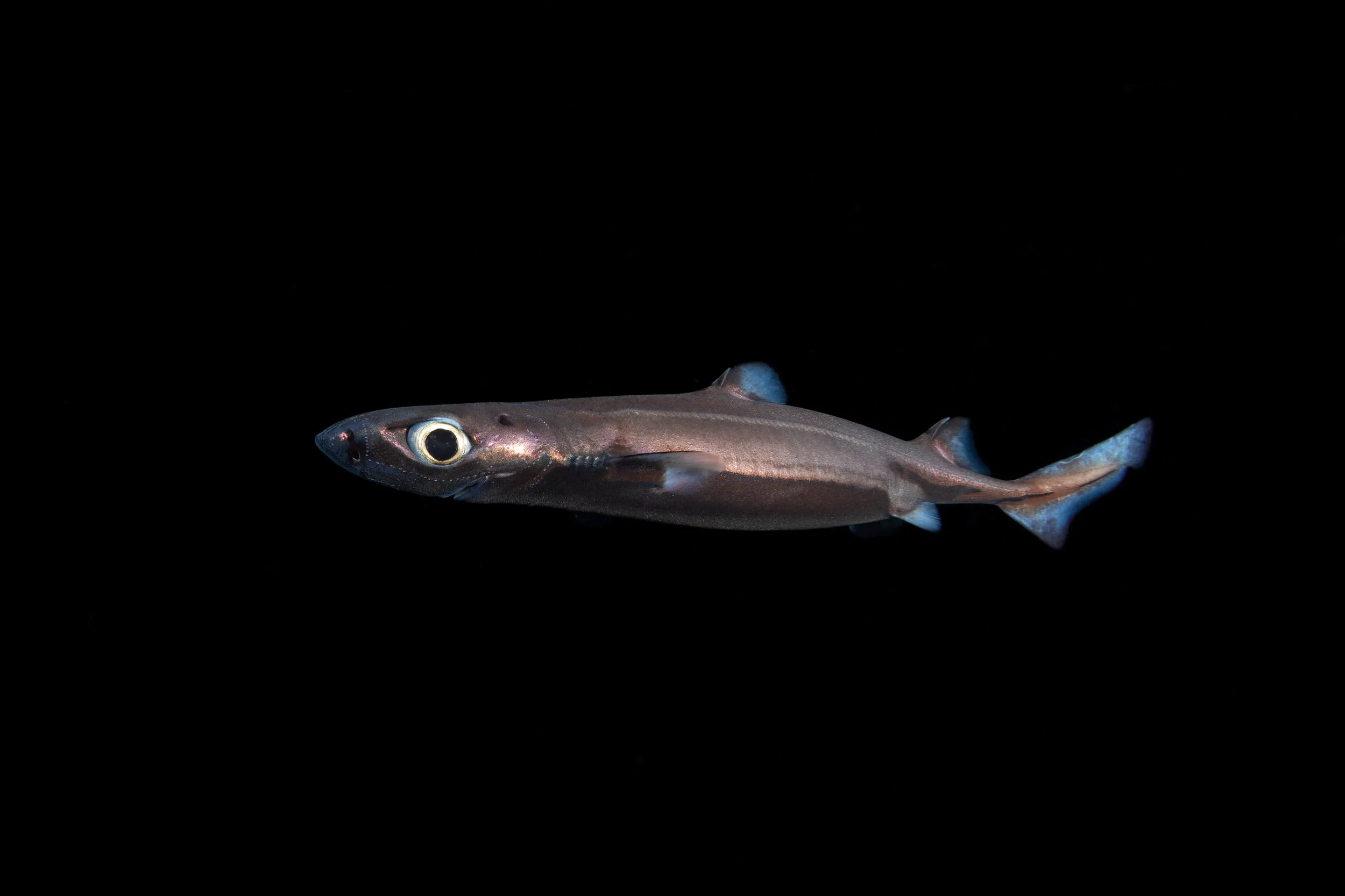
Deepwater sharks threatened by overfishing
One in seven species of deepwater sharks and rays are threatened with extinction due to overfishing.
Plastic additives messing with amphipod sex life
Plastic waste in the water might be stopping - or interrupting - some shrimp-like creatures from reproducing. In a unique study, the ability of ‘shrimp like’ creatures to reproduce successfully was found to be compromised by chemicals found in everyday plastics.
Hunt for shark egg cases launches in Australia
Down the coast in Australia? Keep an eye out for shark egg cases!
Stronger Shores looks to nature-based solutions
A South Tyneside Council-led project aims to strengthen North Eastern coastlines and communities in the face of flooding, erosion and the impacts of climate change.
Hack the ocean with Open Sea Lab
Join the The Open Sea Lab 3.0 Hackathon to create and share innovative ideas for the development of useful ocean-related applications.
Oyster reef restoration works - and we need more of it
A global assessment by HKU marine scientists found that oyster reef restoration rapidly increases marine biodiversity. However, increased restoration effort is needed to eliminate historical damage.
New tool developed to monitor health of marine ecosystems and extinction risk of species
Scientists from Simon Fraser University are part of an international team of researchers that has developed a new science-based indicator to assess the state of health of the oceans—and the possible risk of extinction of their species.
Marine invasive species special issue
Discover some of the inspirational people and organisations working to learn more about and mitigate the impact of invasive species in the ocean in this special edition of Eco Magazine.
Biobank aims to save West Coast kelp forests
Scientists at Simon Fraser University have developed a cryogenic freezing technique to store germplasm, or “seed”, of at-risk bull kelp in a biobank. The collection of “seed” could be used to aid restoration efforts and advance research projects such as identifying kelp populations that may be better suited to survive in the warmer waters expected with climate change.